
Flourish on BBC Radio 4: The “lost generation” and why a CV isn’t enough
Published on June 26, 2026
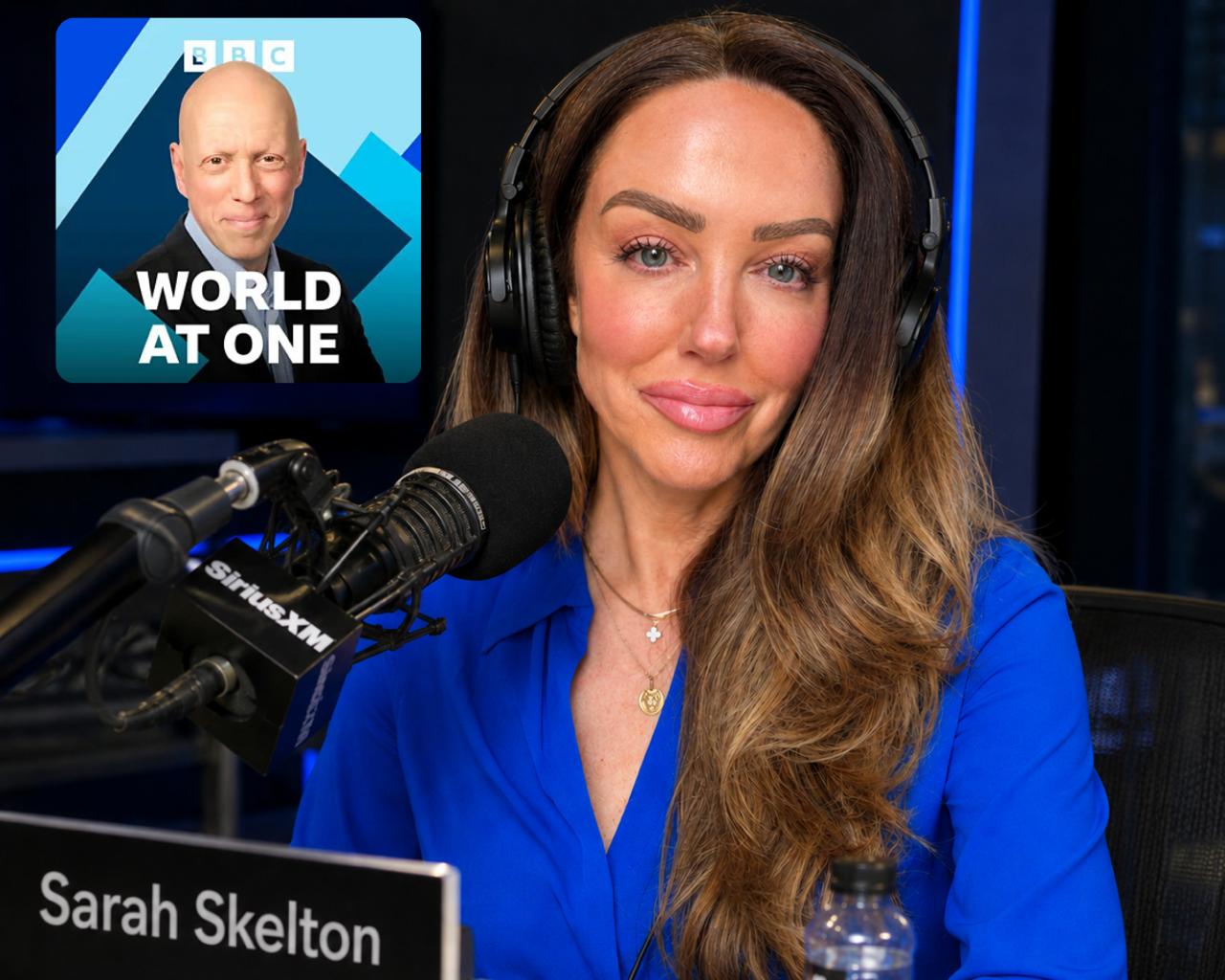
Flourish MD Sarah Skelton recently made her BBC Radio 4 debut on the lunchtime news programme World at One, joining the conversation around one of the biggest challenges facing young people today: unemployment.
The discussion followed the government’s announcement of 300,000 new work experience and training placements, prompted by a report from former minister Alan Milburn warning of a potential “lost generation” of young people being locked out of the jobs market.
As you’d expect, Skelly had plenty to say on this specific topic.
Where should young people looking for work start?
One of the best places to begin is by speaking with people who understand the early-career market.
Skelly: “There are lots of agencies out there that specialise in helping graduates or school leavers, so they’re often a really good place to start. They’re working with businesses that aren’t always focused on specific academics or experience.
“You also need to look at the industries that are growing and hiring. There’s a lot of talk about AI; cybersecurity is booming, and logistics is another great space. Do your research but also try to find a recruitment partner that specialises in school leavers and graduates who can help guide you.”
The key message here? Be open-minded about where opportunities might come from.
How do young people get that first foot in the door when it comes to work experience?
Skelly said: “Lots of people are applying for lots of things, but to get work experience, you sometimes need to be a bit more creative.
“Last summer, the reception in my office building called to say there was a young man asking to see me. I wasn’t expecting anyone, but I said send him up. It turned out to be a 17-year-old who had travelled into central London because he’d researched our business and wanted a week’s work experience.
“What can you say? The initiative was phenomenal. We’d never met him before, but he’d made the effort to show up. Of course, we gave him the work experience.”
His approach was simple: go direct. And in a market where hundreds of candidates can be applying for the same opportunity, that kind of effort stands out.
CVs are increasingly being written with AI. What tips do you have?
Skelly: “The CV still has its place, but it’s not relied on as heavily as it once was. A lot of applications happen online now.
“Use AI if it helps, but don’t let it do all the work. Your application still needs to sound like you. It needs to be personalised and authentic.”
More importantly, Skelly believes the application itself is only the first step.
“If you’ve found a role you really want, apply for it properly. But then find the hiring manager. Send an email. Send a voice note. Try and get hold of a number.
“Hardly anybody goes direct. When someone sends me a video or voice note on LinkedIn, I always pay attention.”
What about expectations? Many graduates are finding that degree-level jobs simply aren’t there.
Many graduates are finding that the jobs they expected to apply for simply aren’t there. Skelly’s advice is to focus on building experience, even if the first opportunity doesn’t look exactly how you imagined.
Skelly said: “You have to be open-minded because your perfect graduate role might not exist right now.
“Think about the transferable skills you’ve gained through your studies, part-time jobs, volunteering or extracurricular activities. What could help you build experience and credibility while working towards the role you eventually want?”
Skelly also highlighted the importance of being flexible when it comes to location.
“My cousin’s son graduated with a first-class degree from a top university and had a brilliant CV but couldn’t get the role he wanted in Yorkshire. He’s ended up relocating to the Isle of Man. It wasn’t his first choice, but he’s got the job he wanted, and he’s got a foot on the ladder.”
The themes running through Skelly’s interview are ones we come back to repeatedly at Flourish. Whether you’re a graduate or someone looking to make a career change, standing out often means doing something different from everyone else.
And if you’re relying on your CV alone, you might be missing an opportunity.
You can listen to the full World at One programme on BBC Sounds here.